

Do Carpenter Bees Sting? Understanding Their Behavior and How to Handle Them
This is a subtitle for your new post
When most people think of bees, their first thought is often the fear of getting stung. But when it comes to carpenter bees, the question isn’t just about their sting but also the damage they can cause to your property. These wood-boring insects are a common sight during warmer months, and while they’re less aggressive than some of their buzzing counterparts, they can still pose a risk to homeowners. So, do carpenter bees sting? Let’s dive into their behavior and learn how to protect your property with the help of professional pest control services like Pied Piper Pest Control.
What Are Carpenter Bees?
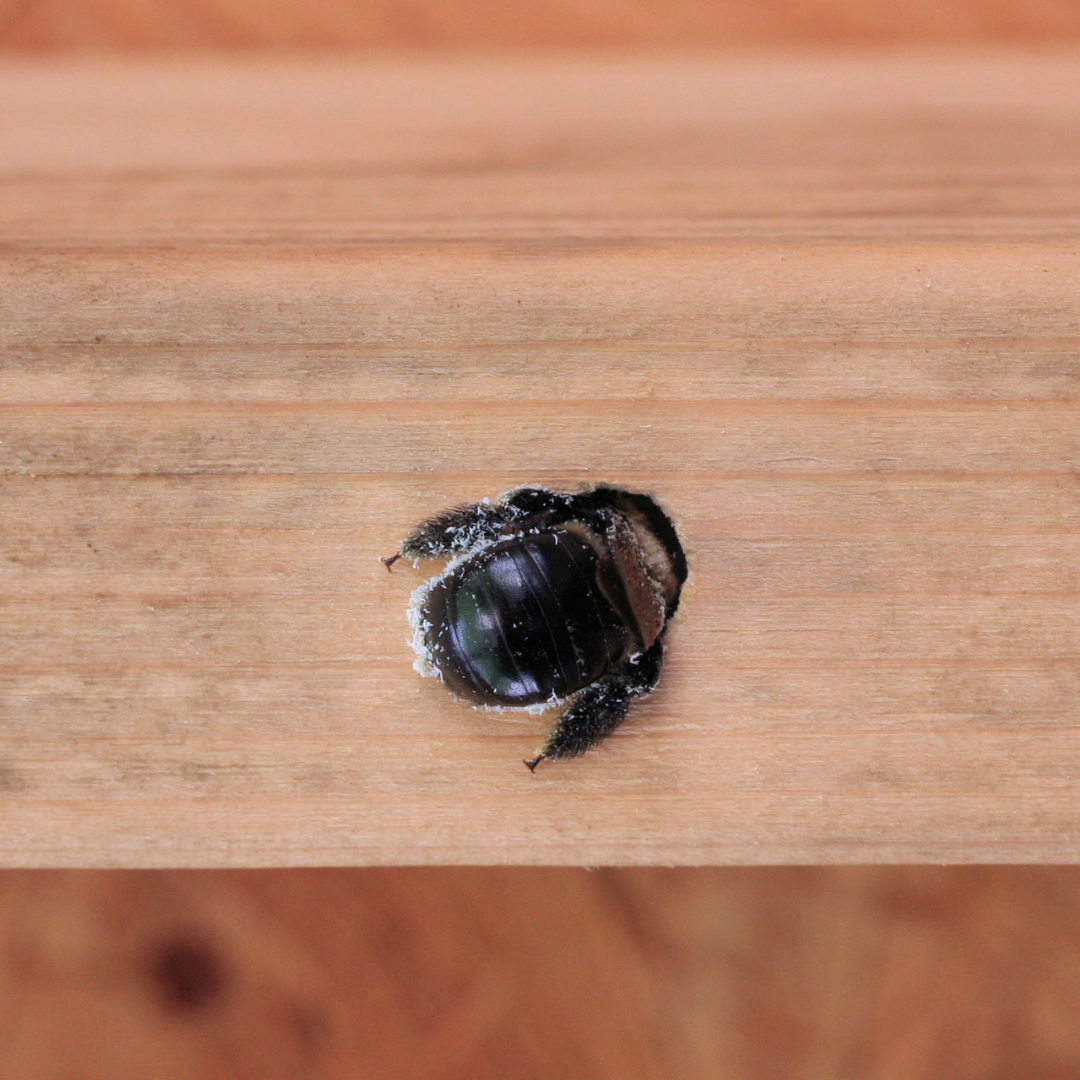
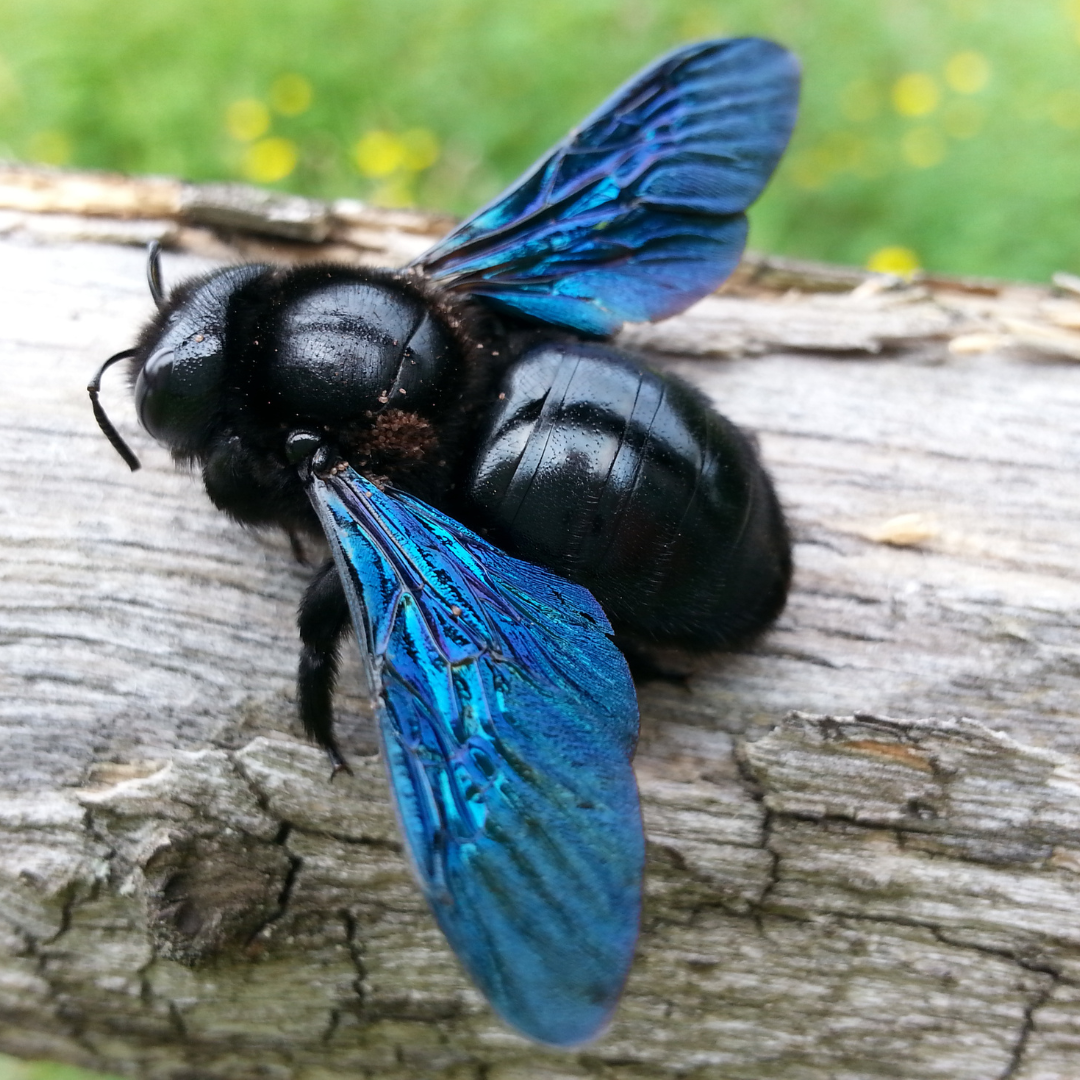
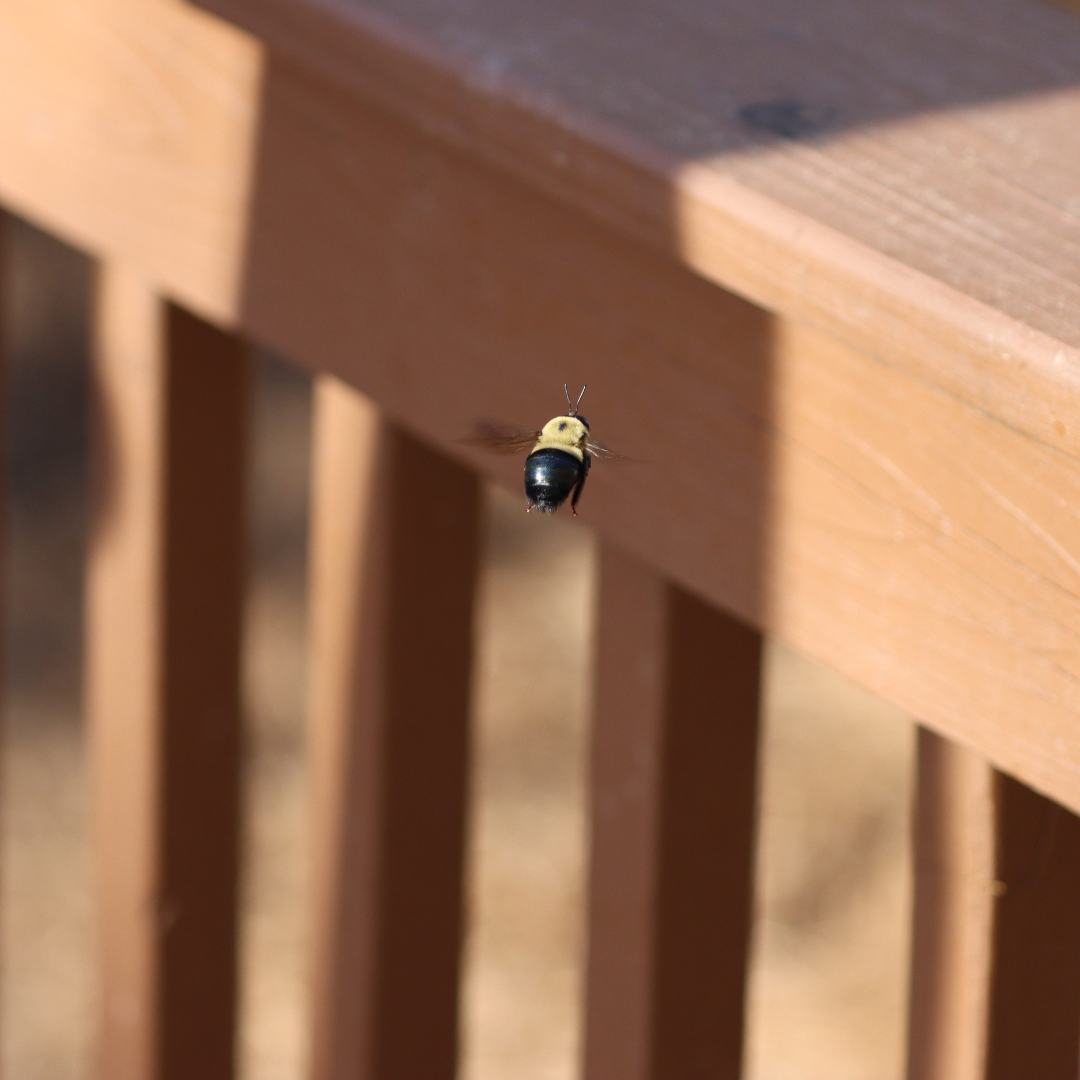
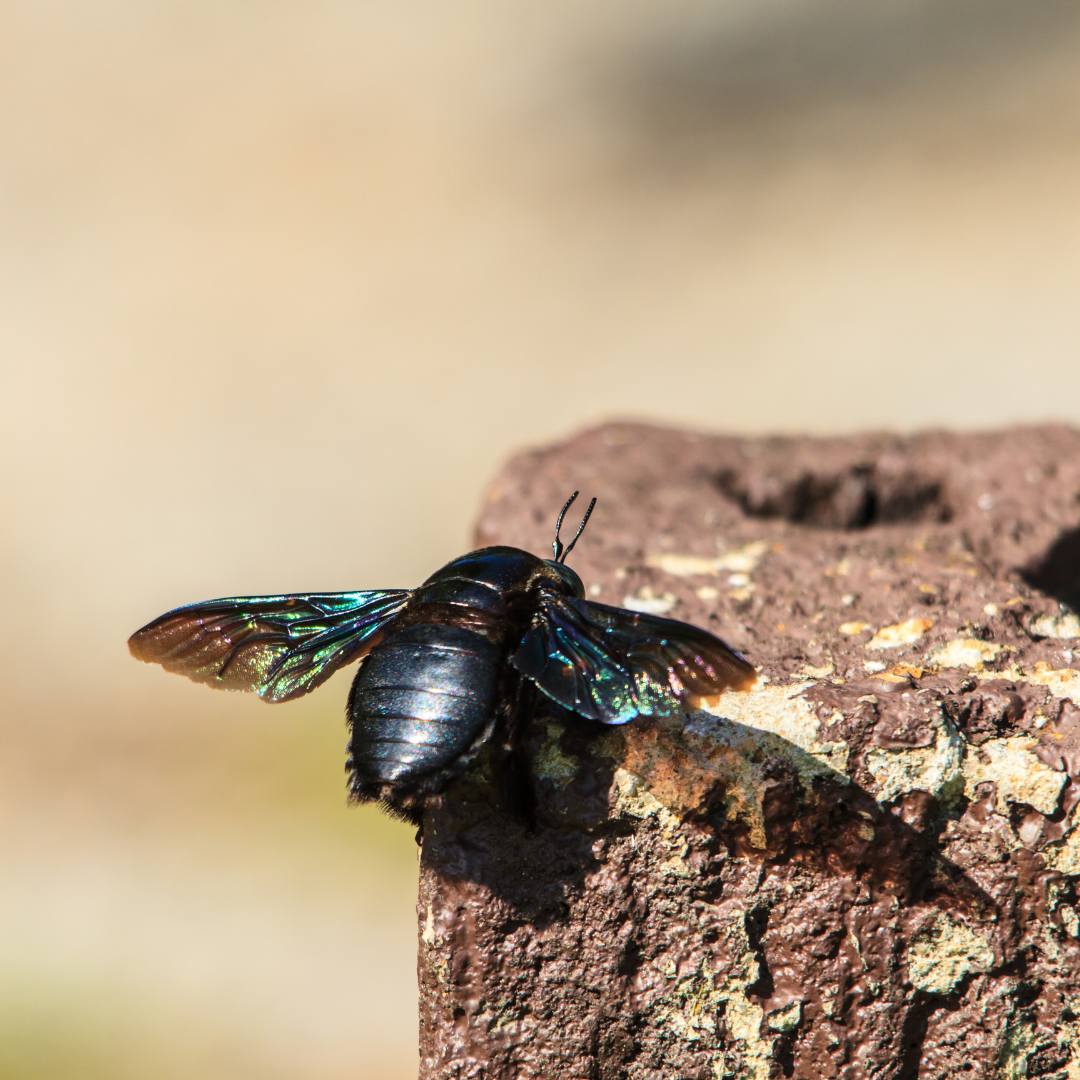
Carpenter bees are large, solitary insects that often get mistaken for bumblebees due to their size and black-and-yellow coloration. However, unlike bumblebees, carpenter bees have smooth, shiny abdomens rather than fuzzy ones. These bees are known for their unique habit of drilling perfectly round holes into wood surfaces to create nests.
You’ll typically find carpenter bees near untreated or unpainted wood, such as decks, siding, and outdoor furniture. While they prefer softwoods like pine or cedar, no wood is entirely safe from their persistent drilling.
This behavior may not seem harmful at first glance, but over time, carpenter bees can cause extensive structural damage to homes and businesses. If left unchecked, the nests they create can weaken wooden structures and invite secondary pests like woodpeckers. For this reason, it’s crucial to act quickly if you spot carpenter bee activity on your property. Pied Piper Pest Control’s Residential Services are designed to address such infestations and protect your home from further damage.
Do Carpenter Bees Sting?
The short answer is: Yes, but it’s rare. Not all carpenter bees are capable of stinging. Here’s why:
- Male carpenter bees: These are the bees you’re most likely to encounter hovering near their nests. Despite their aggressive posturing and tendency to buzz around people, male carpenter bees are harmless—they don’t have stingers at all.
- Female carpenter bees: While females do have stingers, they are generally docile and only sting if provoked. For instance, if you handle them or disturb their nests, they may feel threatened enough to sting.
In most cases, carpenter bees are more interested in building their nests than in interacting with humans. However, their presence near your home can still be concerning, especially for individuals who are allergic to bee stings or have young children or pets. If you notice carpenter bees around your property, it’s best to leave the situation to experts like Pied Piper Pest Control, who specialize in eco-friendly and effective pest management solutions.
Why Carpenter Bees Are a Problem
While the sting risk from carpenter bees is minimal, the damage they cause to wooden structures can be significant. Carpenter bees drill holes about half an inch in diameter into wood to lay their eggs, and over time, these tunnels can become extensive as new bees reuse and expand old nests.
Some of the most common issues caused by carpenter bees include:
- Structural damage: Multiple tunnels can weaken beams, decking, and siding, leading to costly repairs.
- Attracting other pests: The vibrations from carpenter bee activity can attract woodpeckers, which may cause even more damage as they try to feed on the larvae inside the tunnels.
- Aesthetic concerns: The holes left by carpenter bees can mar the appearance of wooden surfaces, reducing your home’s curb appeal.
Given the potential risks, early intervention is key. Pied Piper Pest Control provides customized pest control services to address carpenter bee infestations and protect your property from further damage.
How to Prevent Carpenter Bee Infestations
Preventing carpenter bees from nesting around your home requires a combination of proactive maintenance and professional assistance. Here are some effective strategies:
- Seal existing holes: Inspect your property for any holes or cracks in wooden structures and seal them with wood putty or caulk. This prevents carpenter bees from reusing old tunnels.
- Paint or treat wood: Carpenter bees are less likely to drill into painted or treated wood. Applying a fresh coat of paint or wood stain to vulnerable areas can act as a deterrent.
- Install physical barriers: Mesh screens or netting can be used to protect wood surfaces in areas prone to carpenter bee activity, such as under eaves or along decks.
- Regular inspections: Periodic checks for signs of carpenter bees can help you catch and address problems early.
For the most reliable protection, consider scheduling an inspection with Pied Piper Pest Control. Their team of experts can identify potential risks and provide targeted prevention strategies tailored to your property.
The Importance of Professional Pest Control
While DIY prevention methods can help, they often fall short when it comes to fully addressing carpenter bee infestations. Carpenter bees are persistent, and their nests can be difficult to locate and treat effectively without professional tools and expertise.
Here’s why professional pest control is essential:
- Thorough inspections: Professionals can identify the full extent of an infestation, including hidden nests.
- Effective treatments: Pied Piper Pest Control uses eco-friendly and pet-safe treatments that eliminate carpenter bees without harming your family or the environment.
- Long-term solutions: In addition to removing existing bees, professional services can implement measures to prevent future infestations.
- Peace of mind: Knowing your home is protected by experts allows you to enjoy your space without worry.
Conclusion
Carpenter bees may not be as dangerous as other stinging insects, but their potential to cause significant structural damage makes them a serious concern for homeowners. While male carpenter bees cannot sting and females rarely do, their presence near your home should not be ignored.
Protecting your property from carpenter bees starts with understanding their behavior and addressing infestations promptly. At Pied Piper Pest Control, we specialize in comprehensive pest management solutions that ensure your home remains safe, pest-free, and structurally sound.
If you’re dealing with carpenter bees or want to safeguard your home from future infestations, don’t wait—schedule a service today and experience the Pied Piper Advantage. Let us restore your peace of mind and keep your property protected year-round.

how to spot signs of carpenter ant damage in wood structures - Pied Piper Pest Control: See frass, exit holes; sagging wood & wall sounds; call pros early.

Dangers of earwigs in living areas signal moisture, mold, plant damage, and infestations. Pied Piper Pest Control explains risks and prevention.

pest prevention tips for property managers and office buildings - Pied Piper Pest Control: Stop summer infestations: inspections, sealing & waste control.

how to get rid of fleas in carpet and furniture: Pied Piper Pest Control shows step-by-step treatments, pet care tips, and prevention to stop reinfestation.

Is DIY earwig removal effective? Pied Piper Pest Control offers expert same-day, eco-friendly earwig help for Long Island homes.

Signs you need professional bee extermination services: Pied Piper Pest Control offers expert, safe bee removal across Long Island.

What to include in a pest control service for crickets: Pied Piper Pest Control offers expert cave cricket control on Long Island.

how to maintain a pest-free workspace: Pied Piper Pest Control shares practical summer prevention tips for Long Island and Greater NY businesses.

how to seal entry points to prevent ants: Pied Piper Pest Control shares expert tips and same-day ant control options for your home.

Benefits of hiring a professional pest control company are clear. Pied Piper Pest Control are the experts in protecting your business from pests—act now!